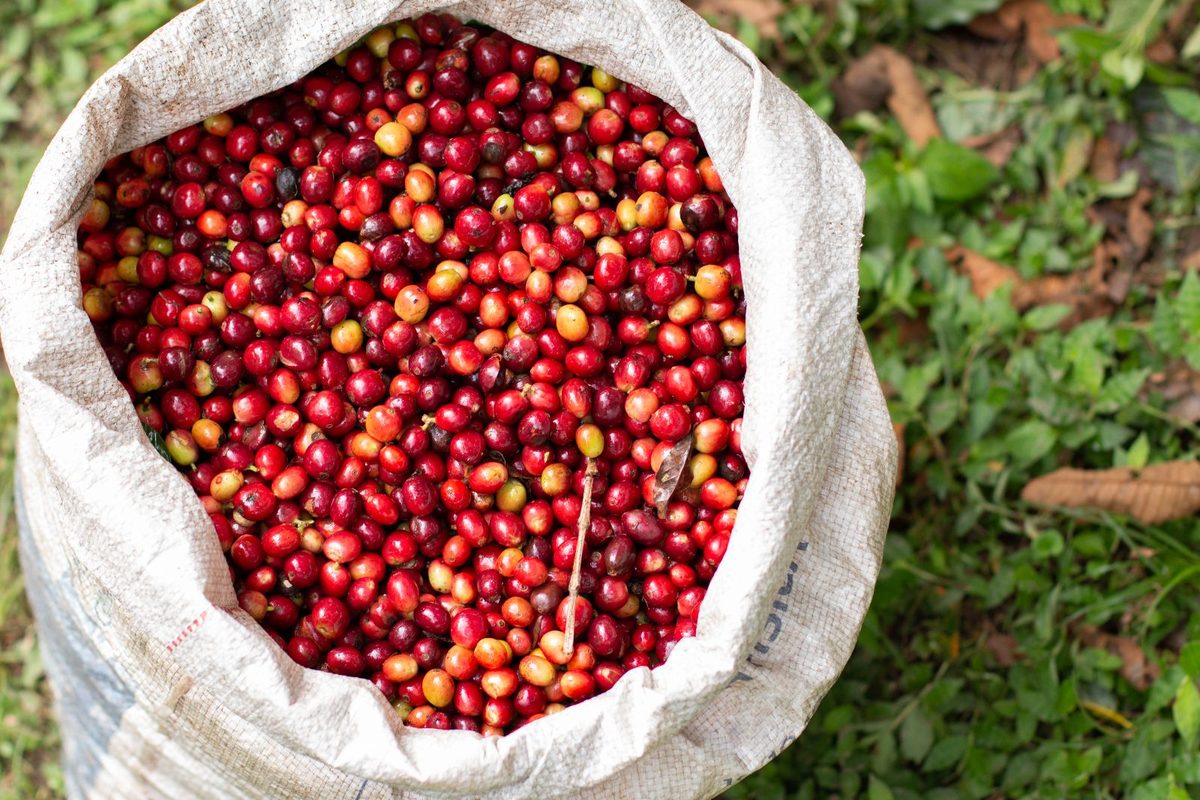
Imagine selling a sack of raw coffee beans for a few thousand shillings, only for another country to roast, package and brand the same coffee before selling it for many times more. That extra value and those extra jobs are created somewhere else.
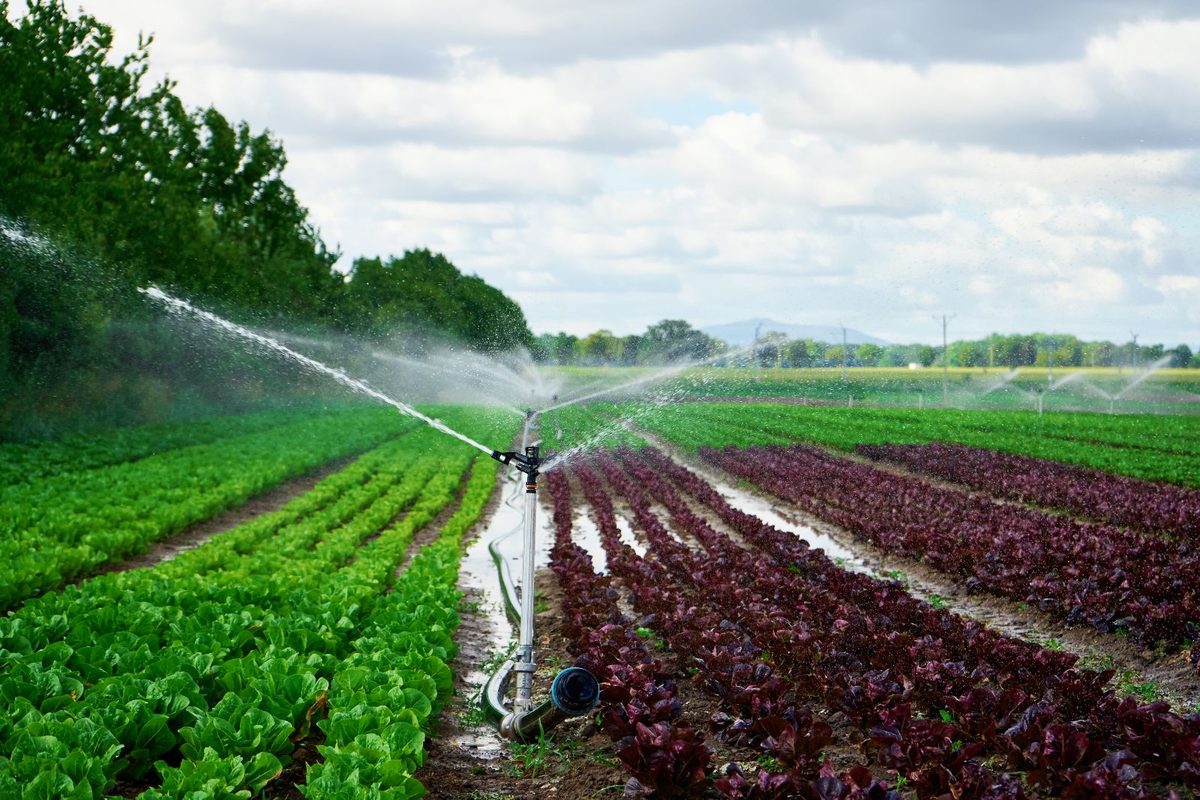
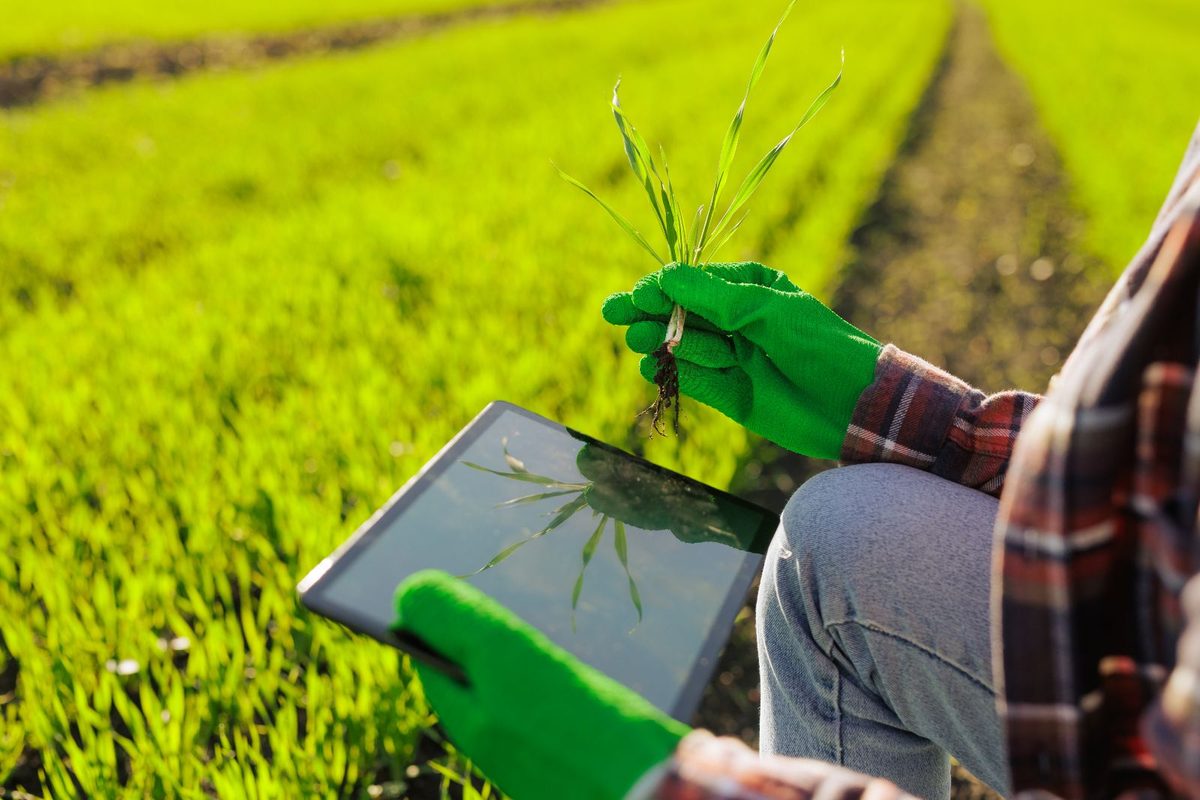
According to the Road to Singapore report, Kenya can grow its economy by processing more of what it produces instead of exporting raw materials. The report identifies “agricultural productivity, high value and agro-processing” as a key pillar of the country’s long term transformation.
When raw produce is processed locally, everyone benefits. Farmers can earn better prices, factories create jobs, transport businesses get more work and the country earns more from exports. Products such as coffee, tea, milk, fruits and leather can all be turned into higher value goods before reaching local and international markets.
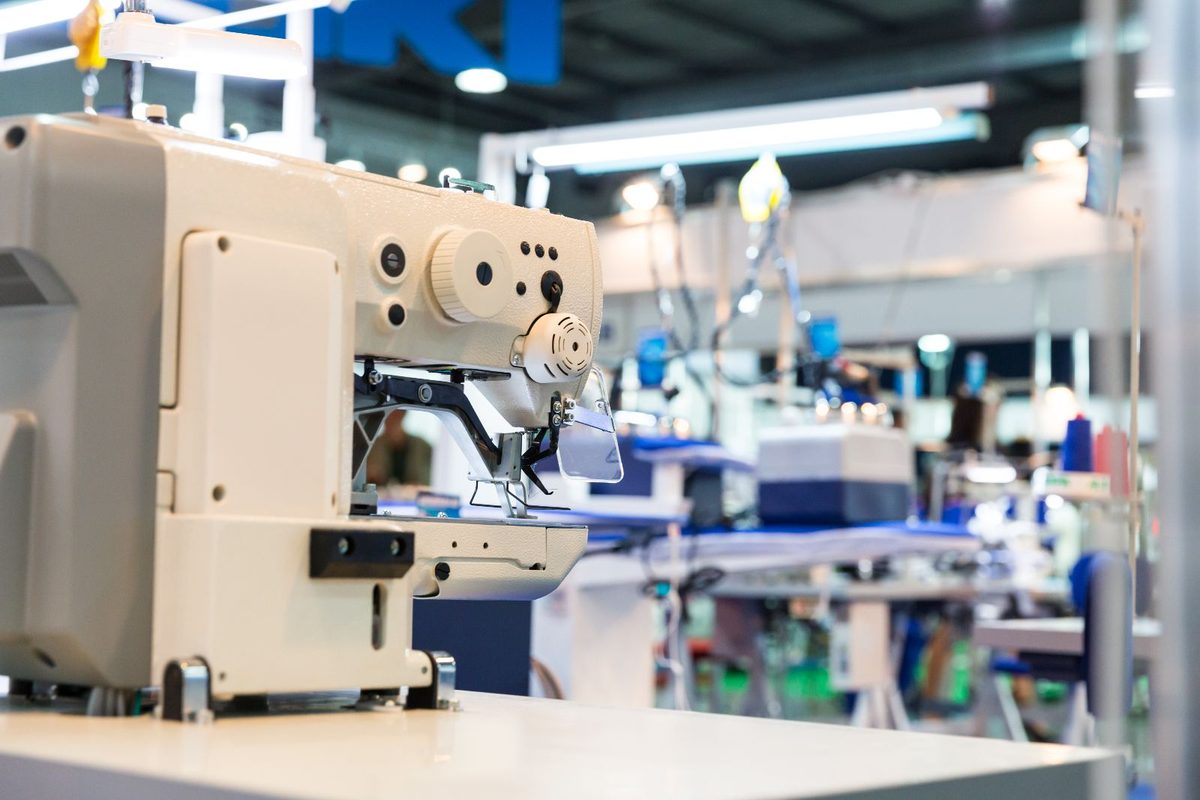
The report also highlights manufacturing as a priority sector, encouraging Kenya to build industries that add value to agricultural products rather than exporting them in their raw form.
Countries such as Singapore and South Korea grew their economies by producing finished goods instead of relying on raw exports. The Road to Singapore report argues that Kenya can follow a similar path by investing in agro-processing and manufacturing.
Exporting raw produce means exporting opportunities. By adding value here at home, Kenya can create more jobs, increase incomes and build a stronger economy for future generations.