A farmer in Trans Nzoia grows maize. A factory in Eldoret turns it into flour. A young software developer builds an app that helps the farmer predict weather and find better markets. Three different jobs, but one goal: growing Kenya’s economy.
According to the Road to Singapore report, this is exactly how successful countries develop. Instead of treating agriculture, manufacturing and technology as separate sectors, they work together to create jobs, increase incomes and grow exports.
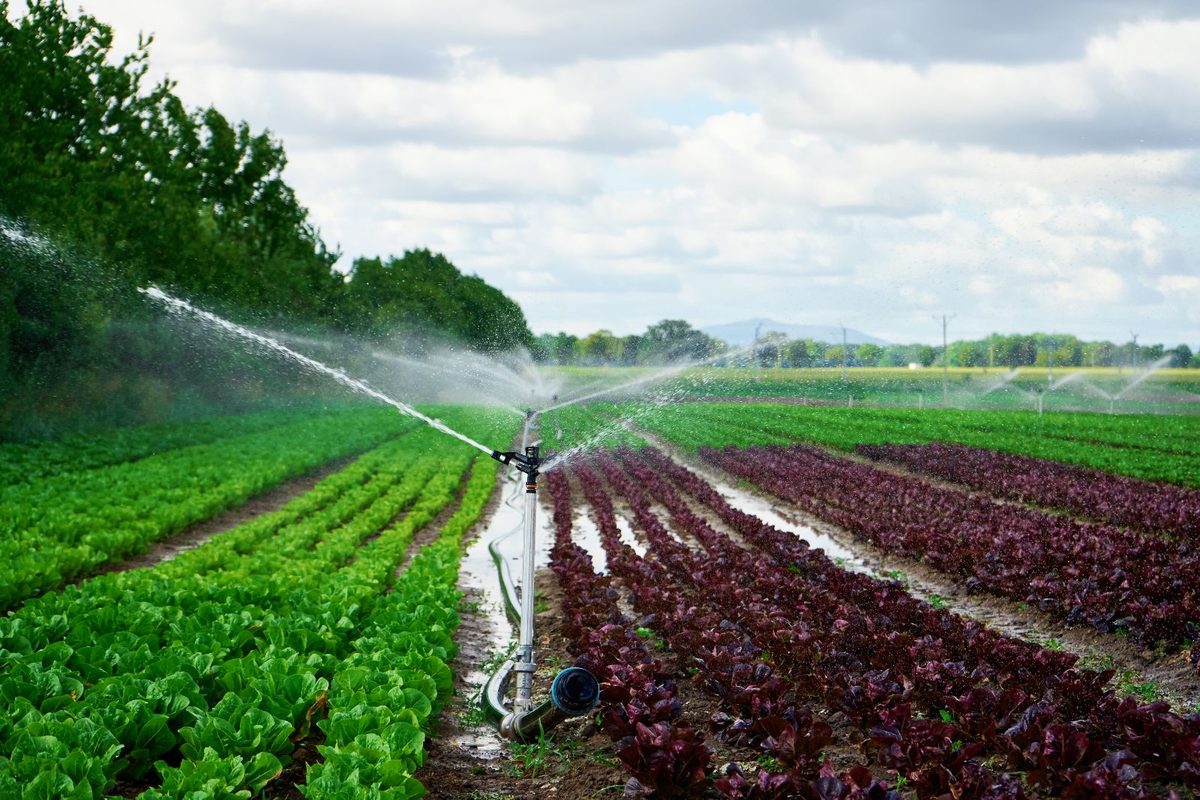
The report identifies agricultural transformation as the first pillar of Kenya’s journey to becoming a First World nation. It calls for increasing productivity, supporting high value crops and linking farming to agro processing and industrial development.
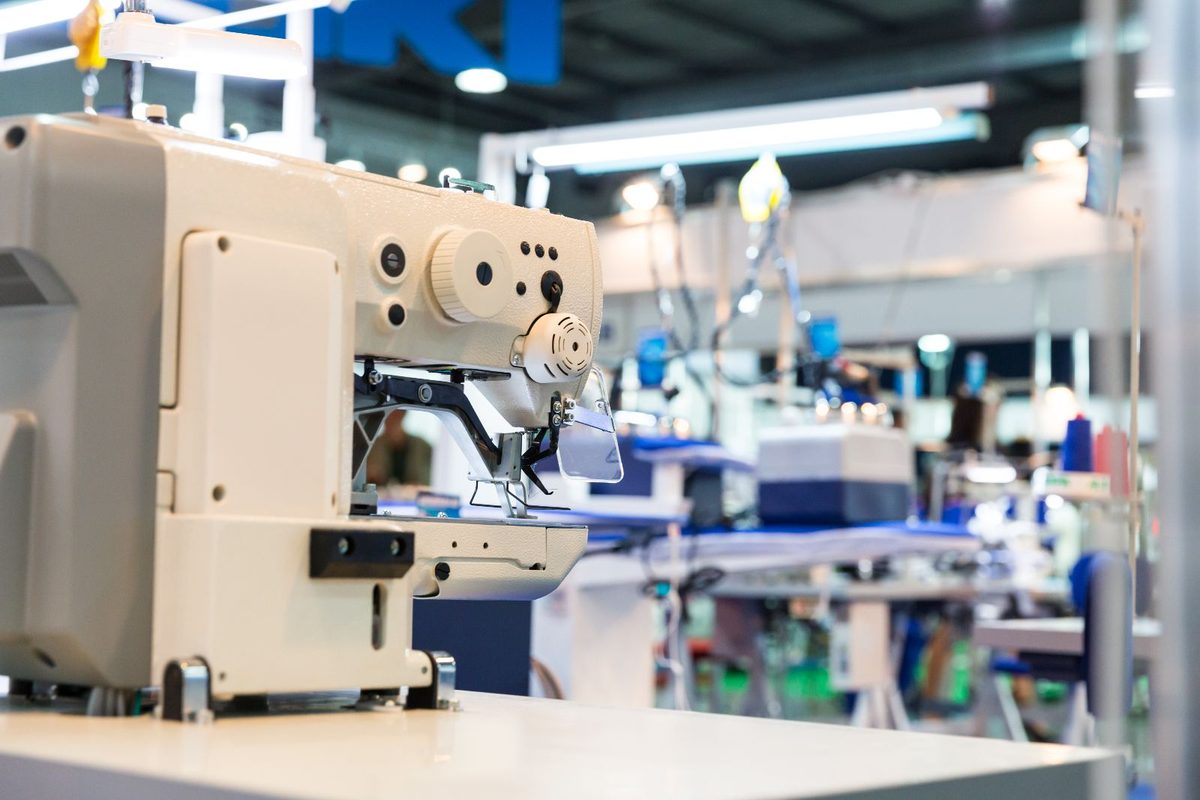
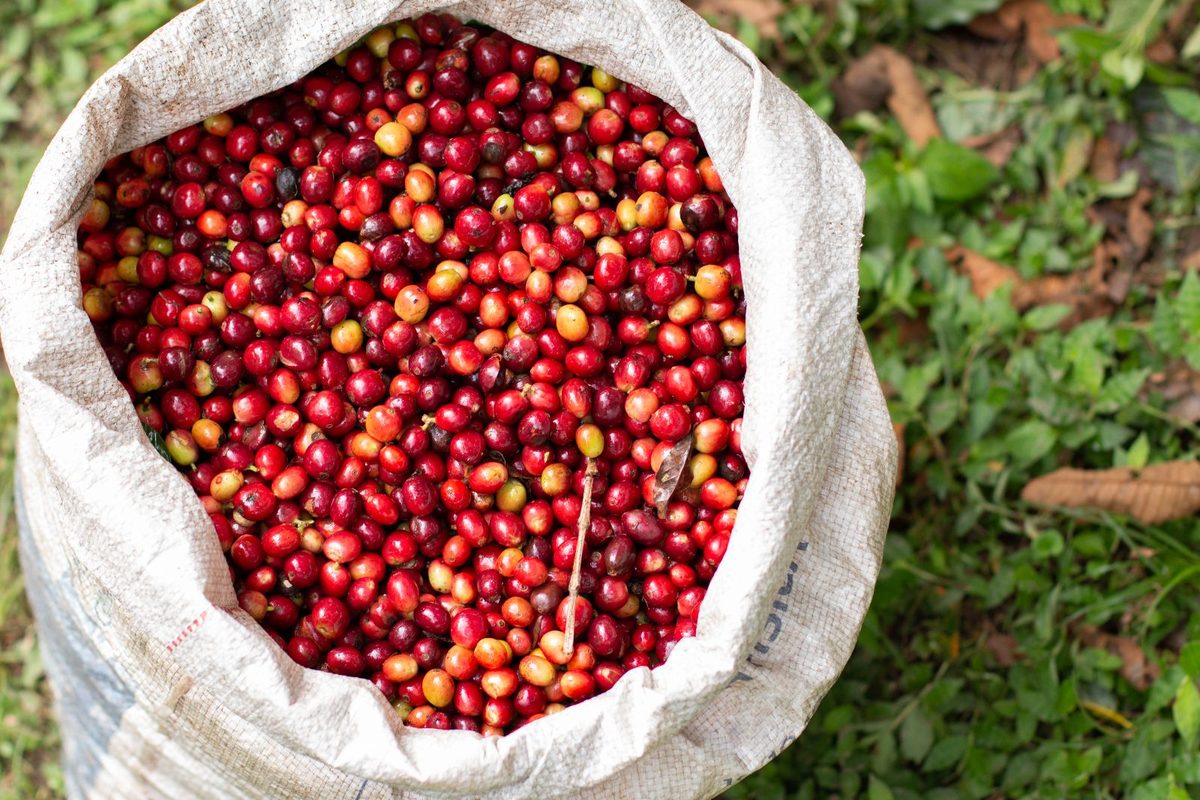
The second pillar is manufacturing. Rather than exporting raw coffee, tea or avocados, Kenya should process them into finished products that earn more money and create more jobs at home.
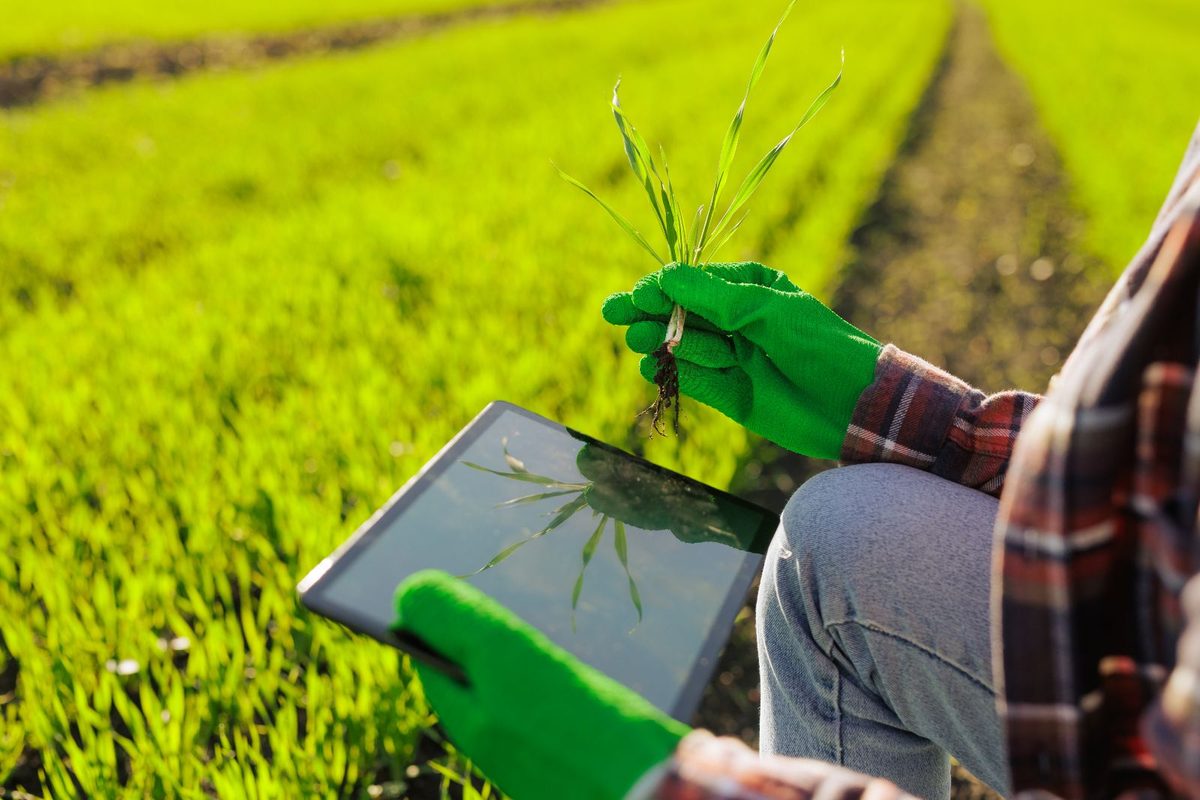
The third pillar is technology and innovation. As the report notes,
“Future competitiveness will increasingly depend on technology adoption, research, digital transformation, artificial intelligence, innovation ecosystems and science based development.”
Simply put, farms produce, factories add value and innovation makes both more productive. When these three sectors work together, farmers earn more, businesses grow, young people find better jobs and Kenya becomes more competitive. That is the vision the Road to Singapore report says can help build a prosperous First World Kenya.