Every year, many Kenyan farmers watch their crops dry up because the rains arrive late or don’t come at all. For families that depend on farming, that can mean lower incomes, higher food prices and uncertain livelihoods.
That’s why the Road to Singapore report identifies irrigation as one of the keys to transforming Kenyan agriculture. Rather than relying only on seasonal rainfall, the report says Kenya should “expand irrigation” as part of a broader plan to increase agricultural productivity and strengthen food security.
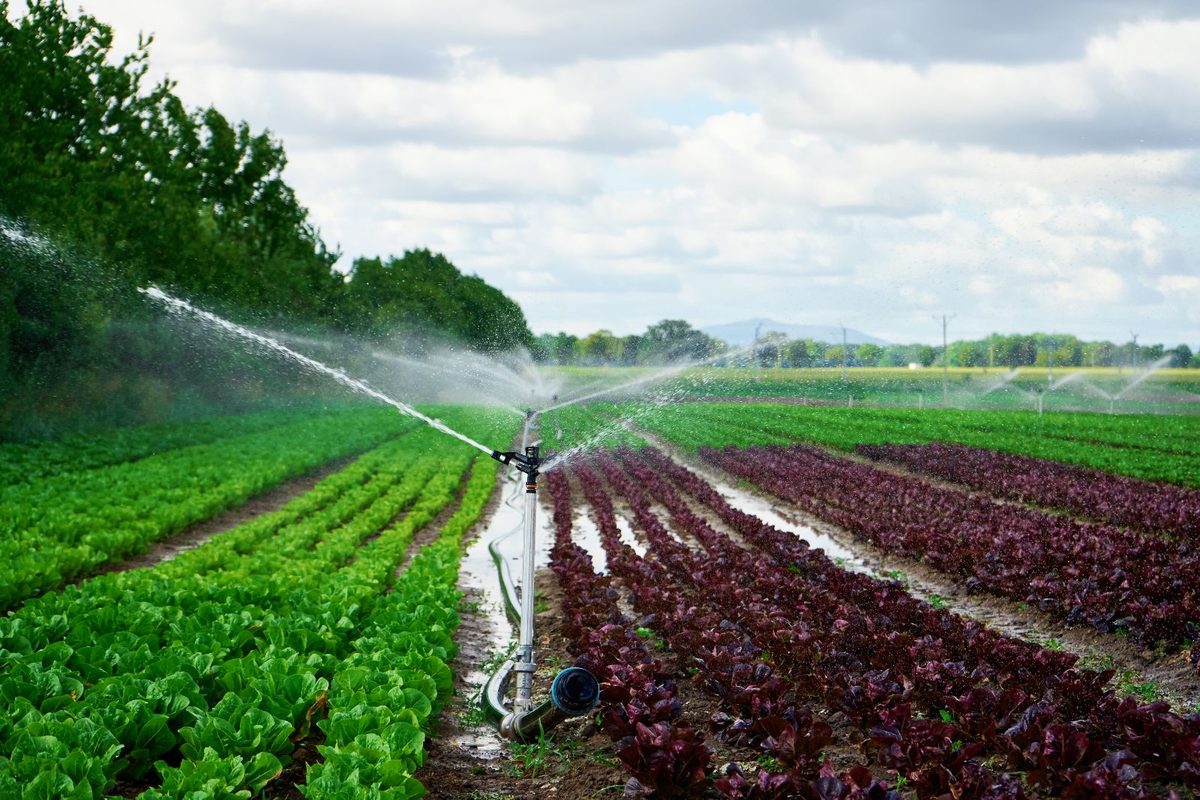
Irrigation allows farmers to grow crops throughout the year, harvest more than once and reduce losses caused by drought. It also makes it easier to grow high value crops such as vegetables, fruits and flowers that can earn better returns in local and international markets.
The report points out that countries which successfully transformed their agricultural sectors invested heavily in “research, extension, irrigation, and rural infrastructure.” These investments gave farmers the tools they needed to increase production while responding to market demand.
Kenya has already made progress, especially in Arid and Semi Arid Lands, where irrigation projects have improved farming in many areas. But the report argues that much more can be achieved if irrigation is expanded nationwide.
For Kenya to become a prosperous First World nation, farming must become more reliable and productive. Expanding irrigation could help farmers earn more, improve food security and keep the economy growing, even when the rains fail.