Imagine a young farmer using a smartphone to know the best time to plant, a student learning robotics in a TVET college, or a small business selling products across Africa with just a few clicks. A few years ago, these ideas sounded futuristic. Today, they are becoming reality.
According to the Road to Singapore report, technology is not just another sector of the economy. It is one of the three pillars that will determine whether Kenya becomes a First World nation over the next generation.
Technology Is More Than Computers
When many people hear the word technology, they think of smartphones, laptops, or artificial intelligence. But the report takes a much broader view.
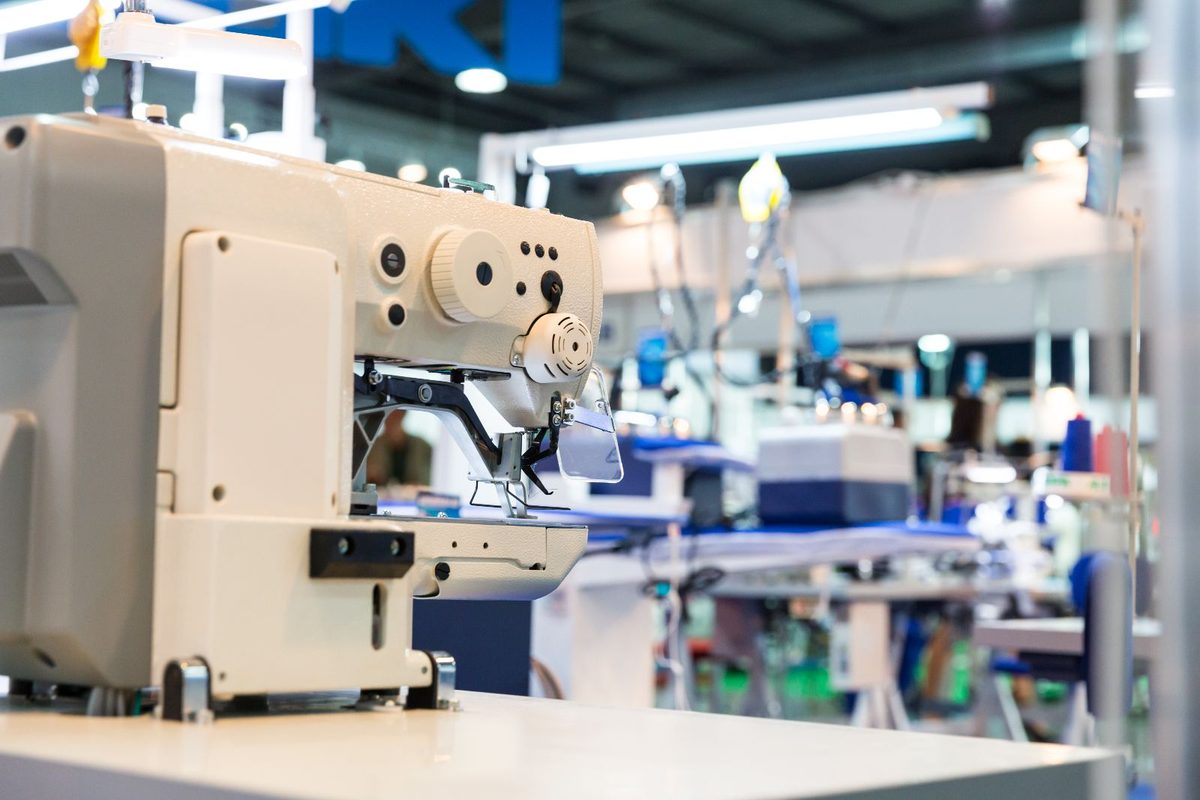
It argues that technology should improve agriculture, manufacturing, healthcare, education, transport, and public services. Instead of working in isolation, every sector should use technology to become more productive and competitive.
In simple terms, technology is not the destination. It is the tool that helps Kenya get there.
Learning From Countries That Got It Right
The report points to countries such as Singapore, South Korea, Taiwan, and China, which transformed themselves from developing economies into global success stories.
One lesson stands out.
“Technology absorption was central to increasing productivity.”
These countries did not simply buy modern machines. They invested in research, trained skilled workers, encouraged innovation, and built strong partnerships between universities and industry.
Kenya is being encouraged to follow a similar path.
Building a Technology and Innovation Economy
The report identifies Technology and Innovation as one of Kenya’s three main transformation pillars, alongside agriculture and manufacturing.
To make this happen, it recommends focusing on:
- Technology adoption across agriculture, manufacturing, and services.
- Building digital innovation ecosystems.
- Strengthening universities and research institutions.
- Expanding science, technology, engineering, and mathematics skills.
The goal is simple. Use technology to increase productivity, improve efficiency, and help Kenyan businesses compete both locally and globally.
Why This Matters to Ordinary Kenyans
Technology is often discussed in terms of billion dollar companies, but its biggest impact is much closer to home.
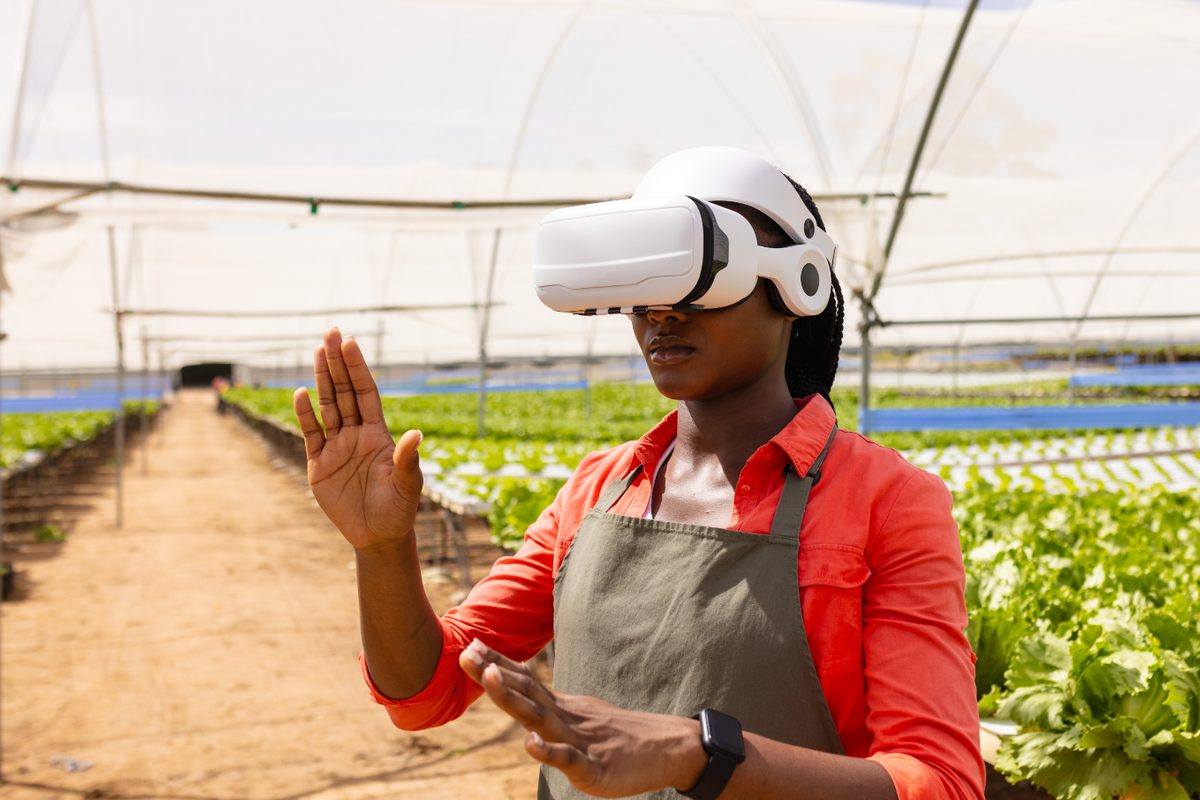
It can help farmers increase harvests through precision farming. It can allow manufacturers to produce goods faster and at lower cost. Hospitals can diagnose illnesses more quickly, while schools can give students access to better learning resources.
For young people, technology also means new careers in software development, engineering, digital services, research, and advanced manufacturing.
The report makes it clear that Kenya’s future jobs will increasingly depend on digital skills and innovation.
Education Will Drive the Digital Future
Technology cannot grow without skilled people.
That is why the report says First World countries invest heavily in education, skills development, research, and innovation. Their education systems prepare citizens to compete in an increasingly technology driven global economy.
For Kenya, this means improving schools, expanding TVET training, supporting universities, and giving young people the practical skills employers need.
The Road Ahead
The report is optimistic. It argues that Kenya already has a strong foundation, but reaching First World status will require consistent investment in innovation, education, and technology over many years.
Technology alone will not transform the country. It must work alongside strong institutions, quality education, reliable infrastructure, and a productive economy.
If Kenya stays committed to that vision, technology could become the engine that powers higher incomes, better jobs, stronger businesses, and a better quality of life for every Kenyan.
As the report’s key message puts it:
“A First World Kenya will be built through productivity, industrialisation, innovation, capable institutions and a shared national commitment to integrity, prosperity and opportunity for all.”