
Launched in 2008, Kenya Vision 2030 set out an ambitious goal of transforming the country into a middle-income economy with a high quality of life for all citizens. According to the' Road to Singapore report', the vision achieved significant milestones that changed Kenya's development landscape. Major investments in roads, railways, ports, digital infrastructure, education and healthcare improved connectivity, expanded access to essential services and strengthened the country's economic foundation. Kenya also became a regional leader in innovation and mobile financial services, demonstrating its ability to embrace new technologies.
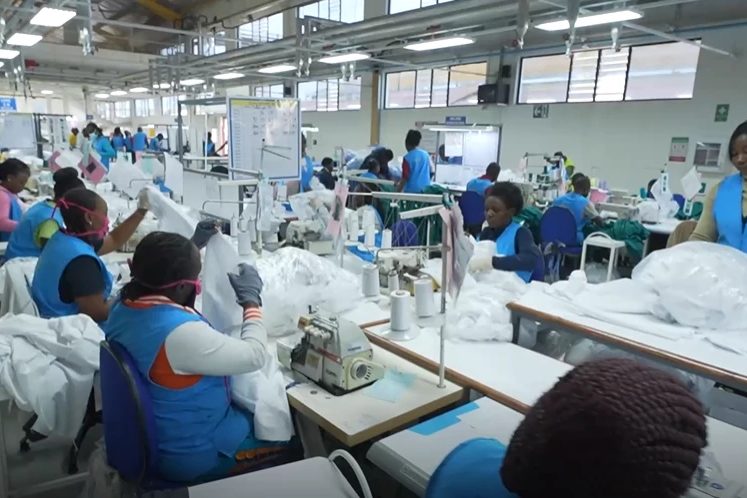
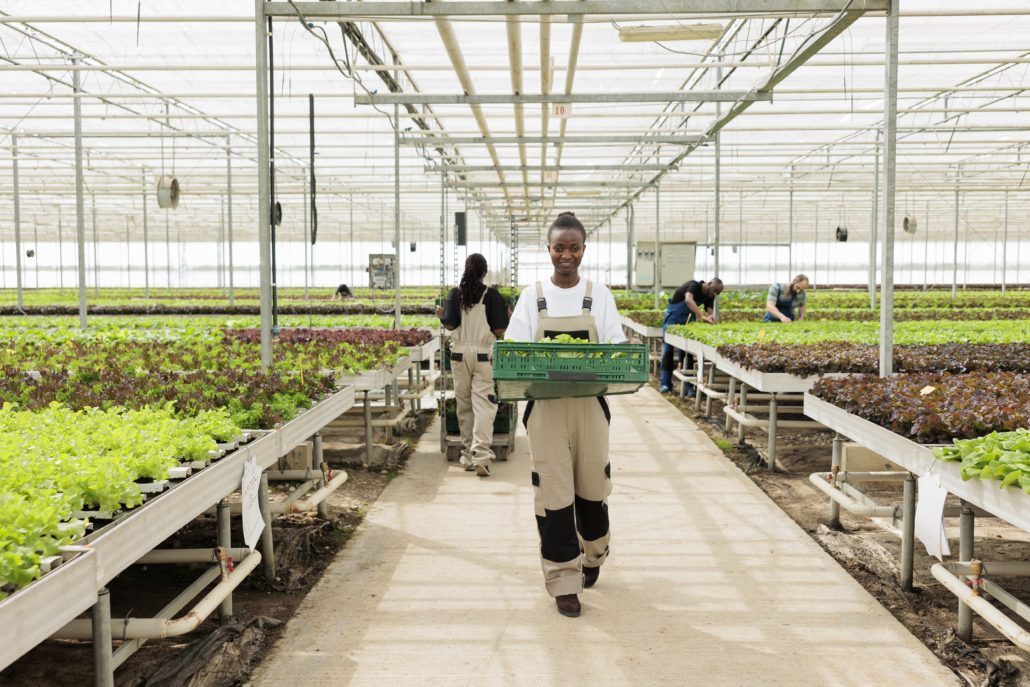
However, the report argues that while Vision 2030 delivered important progress, it did not fully achieve the structural transformation needed to make Kenya a high-income, industrialised nation. Economic growth often fell below its targets, manufacturing remained a relatively small share of the economy, agricultural productivity improved unevenly, and rising public debt created additional challenges. Many projects were completed, but the broader transformation of livelihoods and industries was slower than expected.
The report identifies another key lesson, development was too often disrupted by political transitions and shifting priorities. Programmes that required long-term commitment sometimes lost momentum before delivering their full impact. This pattern of "many false starts" prevented Kenya from fully capitalising on its achievements.
The proposed post-Vision 2030 strategy seeks to build on these successes rather than replace them. It calls for greater policy consistency, stronger institutions and a renewed focus on agriculture, manufacturing and technology. The message is clear,Vision 2030 laid the foundation, but the next phase must finish the journey by turning economic progress into lasting prosperity for every Kenyan.