
Kenya's proposed long-term development strategy outlines a bold vision of becoming a high-income, industrialised and globally competitive nation within the next 30 to 40 years. At the heart of this vision are three pillars that the report identifies as the engines of lasting economic transformation, agriculture, manufacturing, and technology and innovation. Together, these sectors have the potential to create jobs, grow industries and improve the quality of life for every Kenyan.
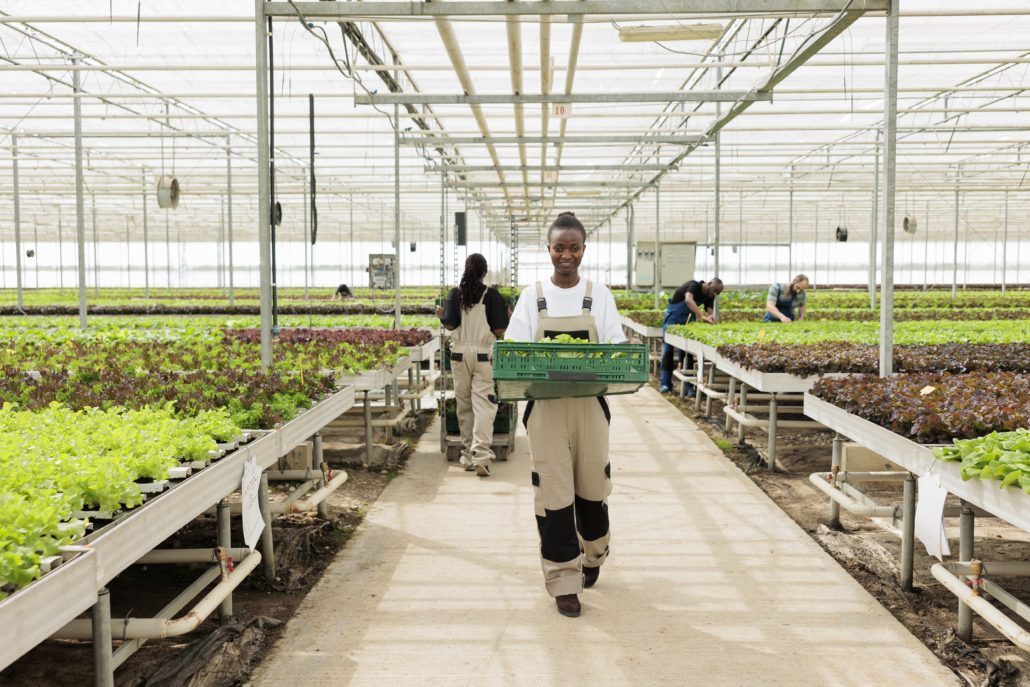
The first pillar is agricultural transformation. Rather than relying on traditional farming alone, the report proposes modern agriculture through irrigation, climate-smart farming, value addition and agro-processing. The goal is to increase productivity, improve food security and raise farmers' incomes.
The second pillar is industrialisation through manufacturing. The report argues that Kenya must move beyond exporting raw materials and instead manufacture finished products that can compete in regional and global markets. A stronger manufacturing sector would create quality jobs, expand exports and strengthen the economy.
The third pillar is technology, innovation and the knowledge economy. The report recognises that the future belongs to nations that invest in research, digital technology, artificial intelligence and entrepreneurship. By supporting innovation and equipping young people with modern skills, Kenya can become more competitive and attract new investment.
These three pillars are supported by good governance, quality education, healthcare, infrastructure and strong institutions. Working together, they provide a practical roadmap for transforming Kenya into a prosperous nation. The report makes it clear that sustainable development will not depend on one sector alone, but on all three pillars growing together to create opportunities for every Kenyan.