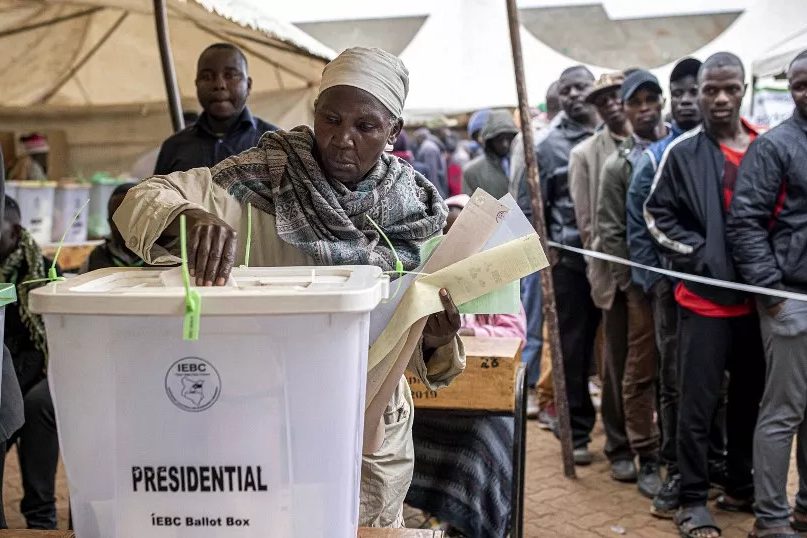
Every election brings new hope for Kenya. Citizens expect fresh ideas, better leadership and faster development. But according to the Road to Singapore report, one of Kenya's greatest obstacles to becoming a First World nation is the tendency to start afresh after every political transition. Instead of building on what already exists, many development programmes lose momentum as new priorities replace old ones.
The report describes this as one of Kenya's "many false starts." Over the years, the country has launched ambitious plans, invested in major projects and achieved periods of impressive economic growth. However, these gains have often been interrupted before they could deliver lasting transformation.
Successful countries such as Singapore, South Korea and China took a different path. While governments changed, their national development goals remained largely consistent. Long term policies continued across political administrations, giving businesses confidence to invest and allowing industries, education systems and infrastructure to mature over decades.
The report argues that Kenya must adopt the same approach. National development should belong to the country, not to individual leaders or political parties. Roads, factories, schools and economic reforms should continue because they serve the people, not because they were started by a particular government.
Kenya has already shown that it can achieve remarkable progress. The challenge is sustaining that progress. If the nation commits to long-term planning, strengthens its institutions and protects development programmes from political changes, it can unlock faster economic growth, create more jobs and improve the lives of future generations.