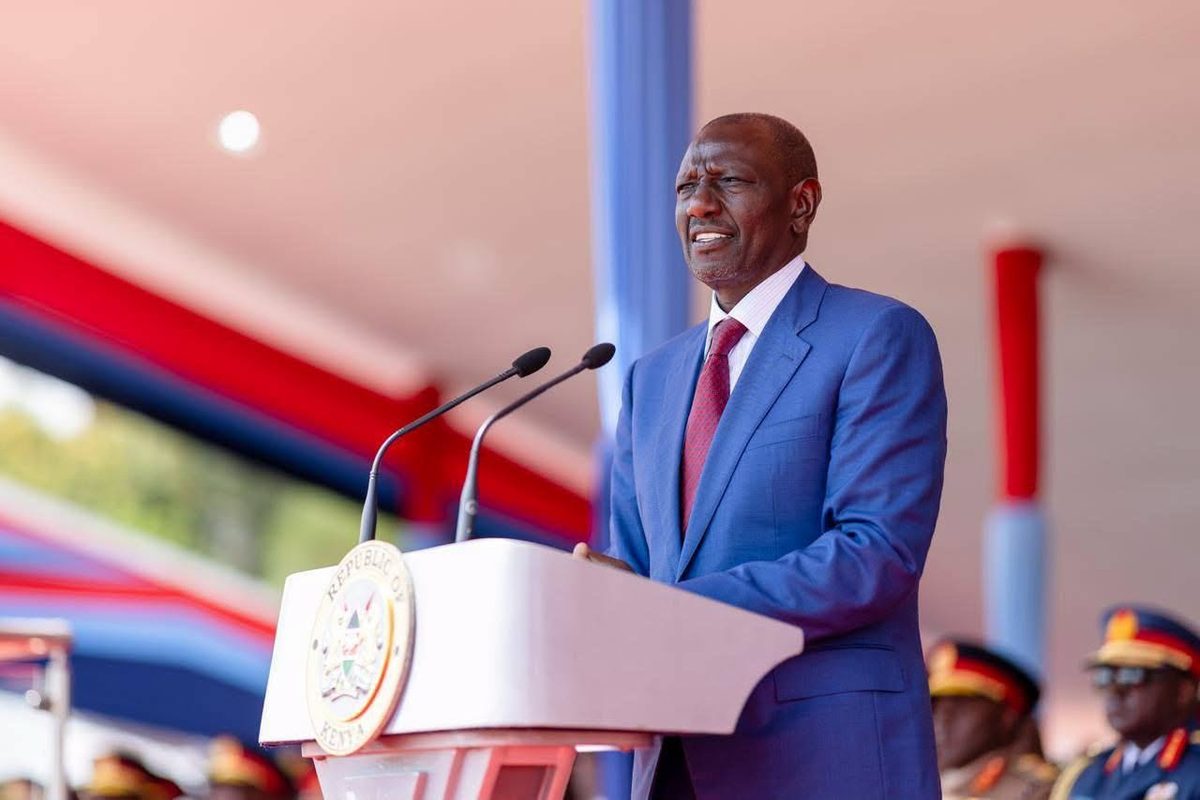
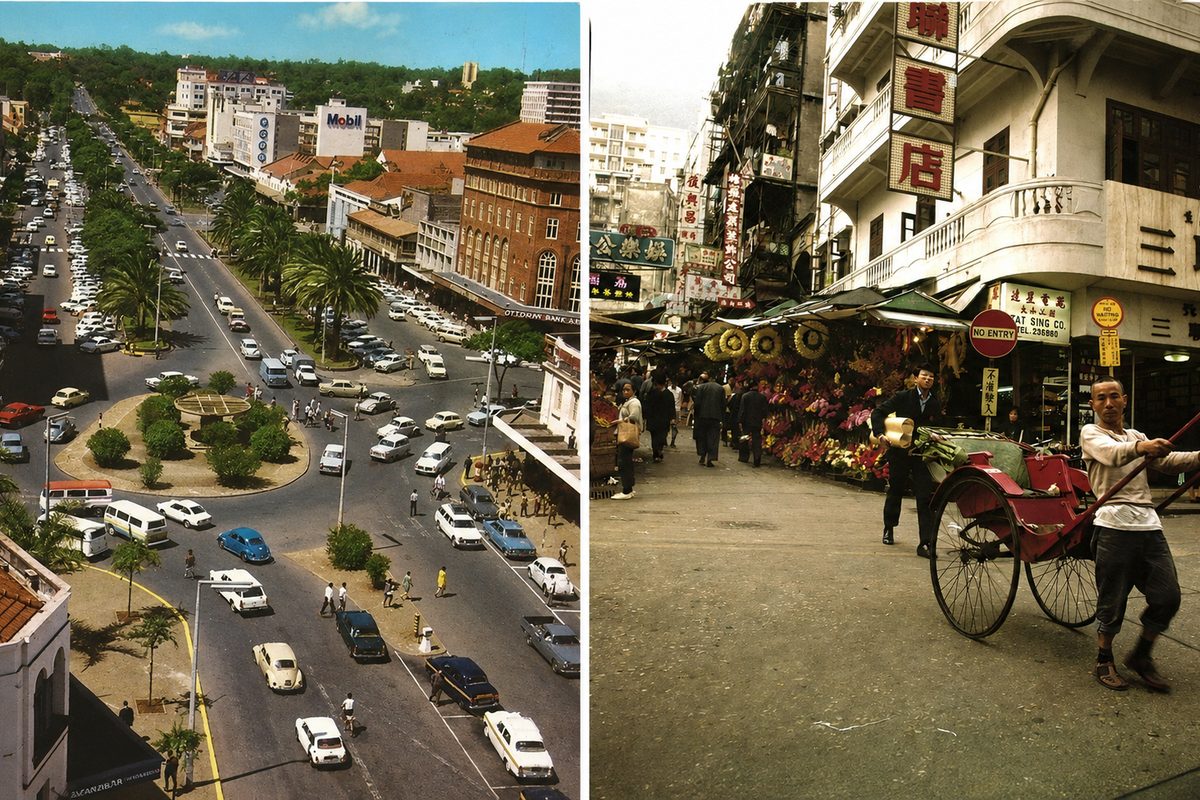
It may seem surprising today, but Kenya was once among the world's stronger-performing economies. According to the proposed Road to Singapore national development report, Kenya's economy outperformed China's in several key areas during the 1960s and early 1970s. The country enjoyed steady economic growth, a thriving agricultural sector and political stability that attracted investment, with GDP per capita exceeding China's for a time.
So, what changed? The report says Kenya's challenge was not a lack of potential, but inconsistent implementation. Political transitions, shifting development priorities, weak institutions, corruption and governance challenges repeatedly disrupted long-term plans before they could deliver lasting transformation.
Meanwhile, countries such as China and South Korea remained committed to long-term national goals. They invested in manufacturing, education, technology and strong public institutions, allowing economic growth to continue regardless of changes in leadership.
The report argues that Kenya still has what it takes to become a high-income nation. Its strategic location, youthful population, entrepreneurial spirit and natural resources remain major strengths. However, achieving this vision will require consistent policies, strong institutions and a national development agenda that outlives political cycles.
Kenya's history shows the country has the potential to compete globally. The challenge now is turning that potential into sustained, long-term prosperity.