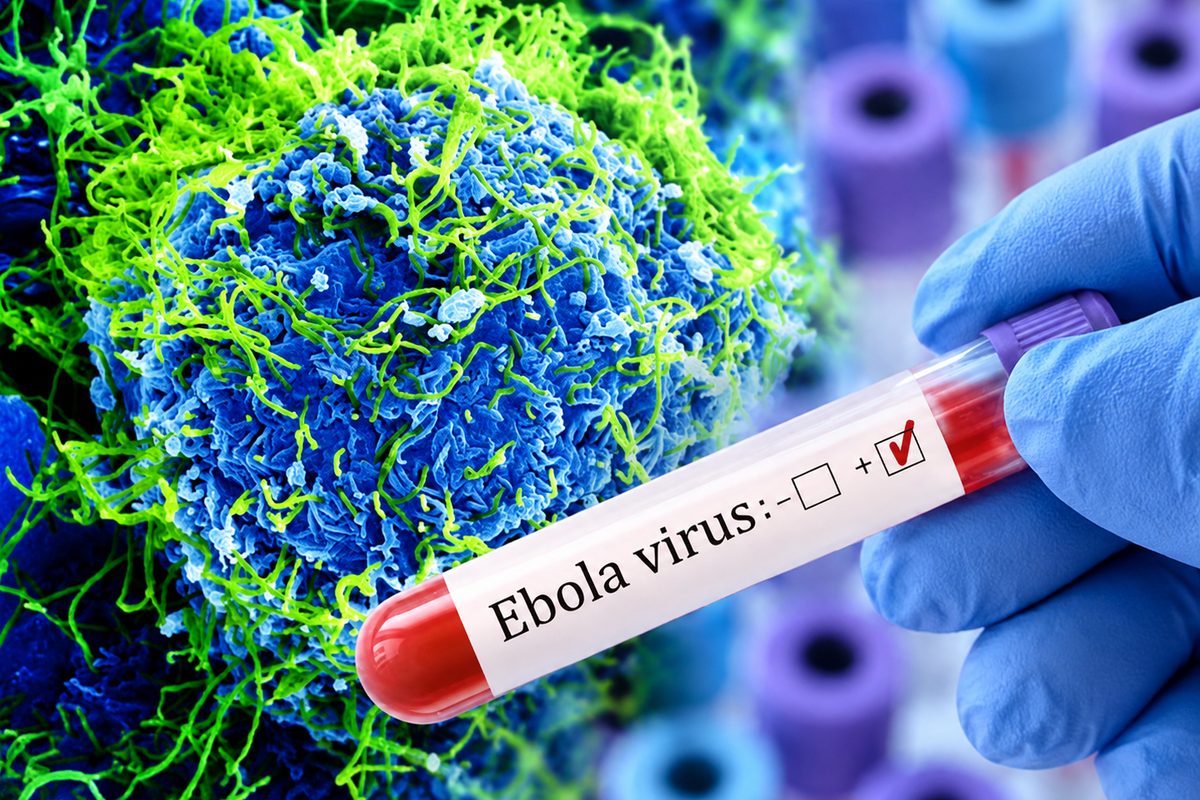
Kenya has confirmed its first case of Ebola Virus Disease (EVD) after a Kenyan citizen who had been living in the Democratic Republic of Congo (DRC) tested positive for the disease in Nairobi.
Health Cabinet Secretary Aden Duale confirmed the case on Tuesday, October 6, 2026, saying the patient had travelled from the DRC through Kampala, Uganda, before arriving in Nairobi. The patient later died from the disease.
Health authorities have identified 28 people who came into contact with the patient, including family members and healthcare workers, and have begun contact tracing and monitoring as they work to prevent further transmission.
The confirmation comes after months of heightened preparedness as Kenya monitored Ebola outbreaks in the region. In June, the Ministry of Health said Kenya had no confirmed Ebola cases while strengthening surveillance, laboratory capacity and emergency preparedness.
Ebola spreads mainly through direct contact with the blood or other body fluids of an infected person, contaminated materials or infected animals. Symptoms can include fever, severe weakness, headache, muscle pain, vomiting and diarrhoea. Following the confirmed case, health authorities are intensifying contact tracing, surveillance, screening and testing to identify anyone who may have been exposed and prevent further spread.