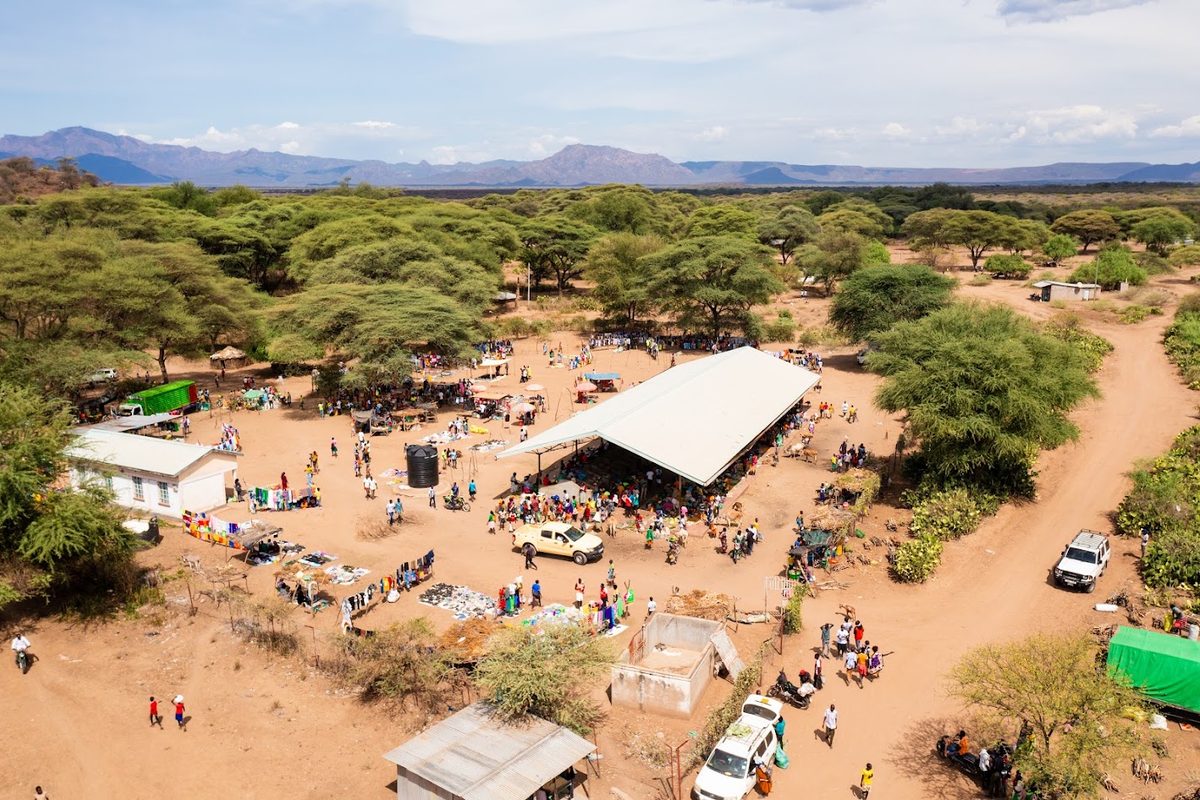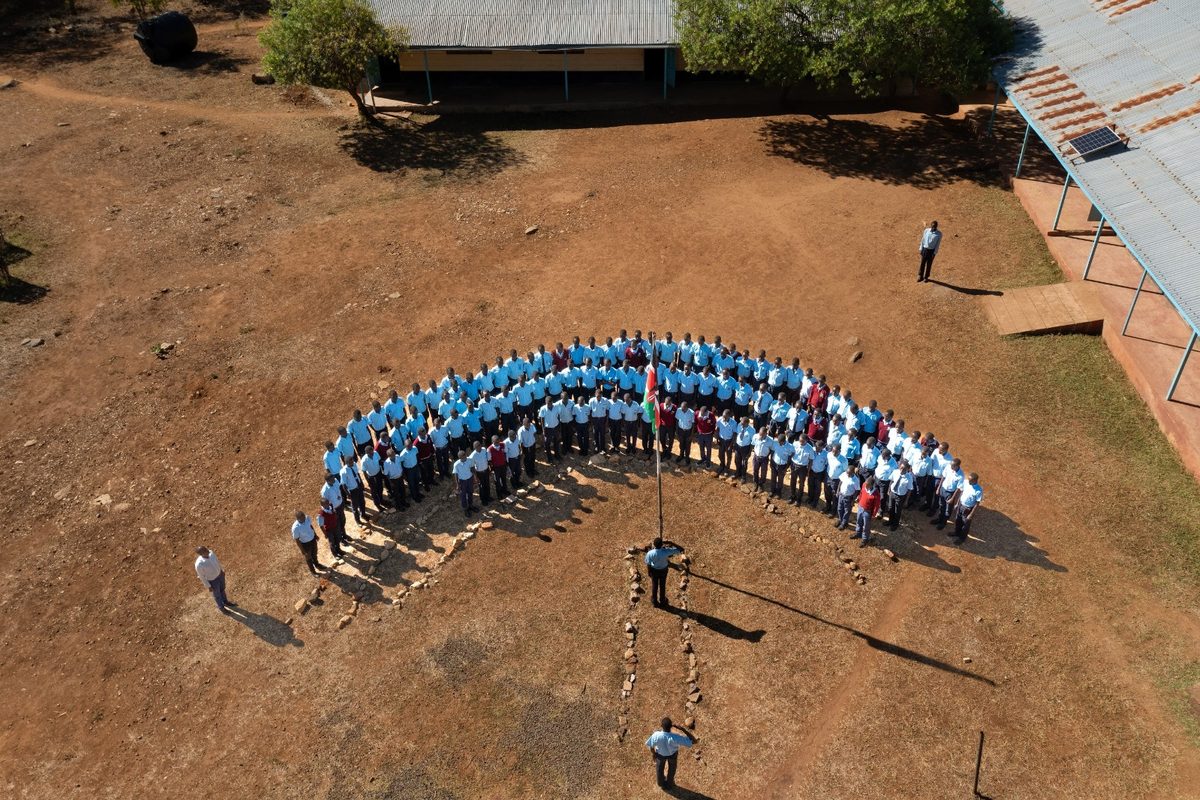
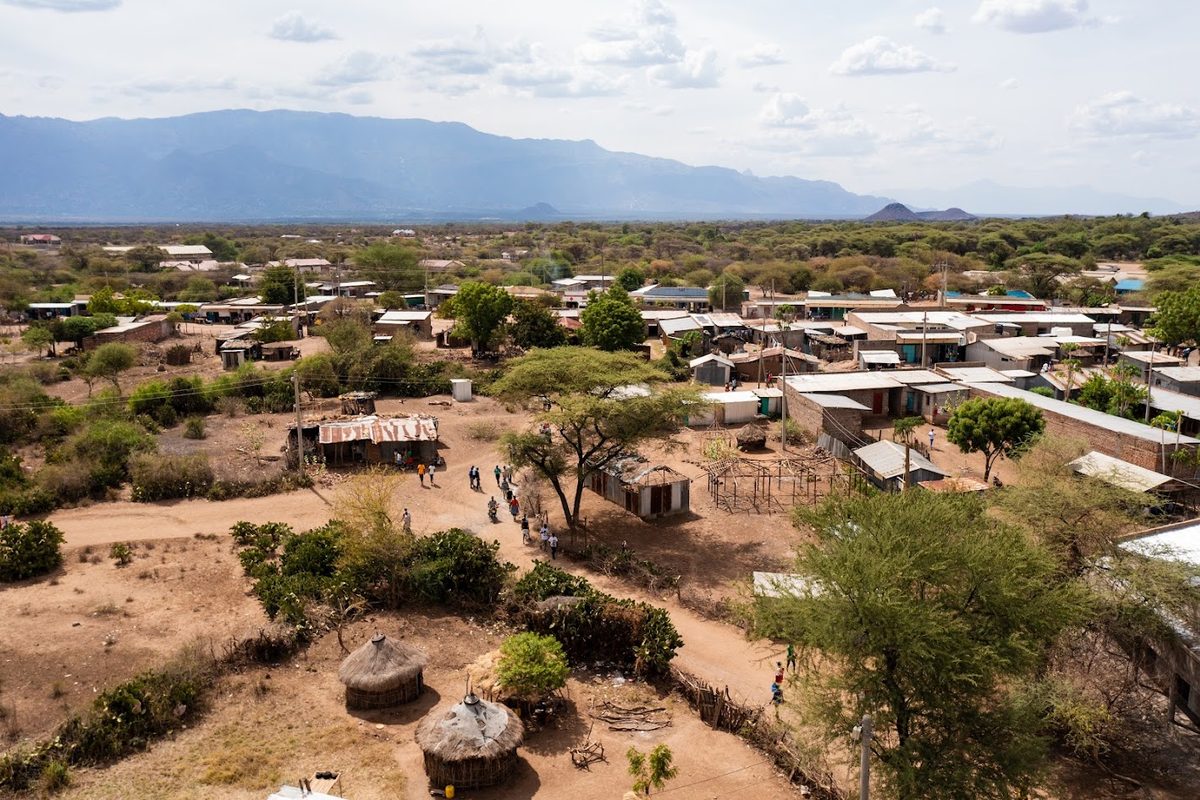
Nestled in Kenya’s North Rift region, the Kerio Valley has long been a place of striking natural beauty,fertile soils, dramatic escarpments, and the winding Kerio River. Yet for decades, it carried a far darker reputation. Spanning parts of Elgeyo Marakwet, West Pokot, and Baringo counties, the valley became known as the “Valley of Death,” a hotspot of cattle rustling, armed banditry, revenge killings, and inter-communal violence that claimed hundreds of lives, displaced families, closed schools, and stalled development.
Today, in 2026, the narrative is shifting. Relative calm has returned to large sections of the valley. The government is pivoting from pure security operations toward long-term development. The guns have not vanished entirely, but the cycle of large-scale bloodshed has been broken for many communities. This is the story of how Kerio Valley endured years of conflict and how peace is rebuilt.
The Roots of a Protracted Conflict
The violence in Kerio Valley was never purely random criminality. It grew from a complex mix of factors common to many pastoralist and agro-pastoralist borderlands in northern Kenya.Traditional cattle raiding, once regulated by cultural norms, evolved into commercialized banditry fueled by the proliferation of illegal firearms. Competition over scarce resources pasture, water, and land intensified during droughts. Ethnic tensions between communities such as the Pokot, Marakwet, and Tugen deepened cycles of revenge.
The Turning Point
Sustained government action led by President William Ruto marked a critical shift. In March 2023, then Interior Cabinet Secretary Kithure Kindiki intensified operations, ordering residents out of 27 identified bandit hideouts and deploying multi-agency teams that included the Kenya Defence Forces, police, and intelligence units under frameworks such as Operation Maliza Uhalifu. Permanent security camps were established, including a major one at Kolowa with hundreds of officers, signaling that the state intended a lasting presence rather than temporary crackdowns.Under Interior Cabinet Secretary Kipchumba Murkomen, these efforts continued and expanded. By October 2026, Murkomen publicly declared that peace and security had been restored in the Kerio Valley, announcing a shift toward an economic masterplan that includes hundreds of kilometers of roads, modern markets, and housing units.
The valley that once symbolized fear is beginning to reclaim its potential as a place of productivity and coexistence. The guns are quieter. Children are back in classrooms. Former rivals are farming side by side in some places. The hard work of sustaining this peace continues through vigilance, dialogue, development, and the daily choices of the people who call Kerio Valley home.