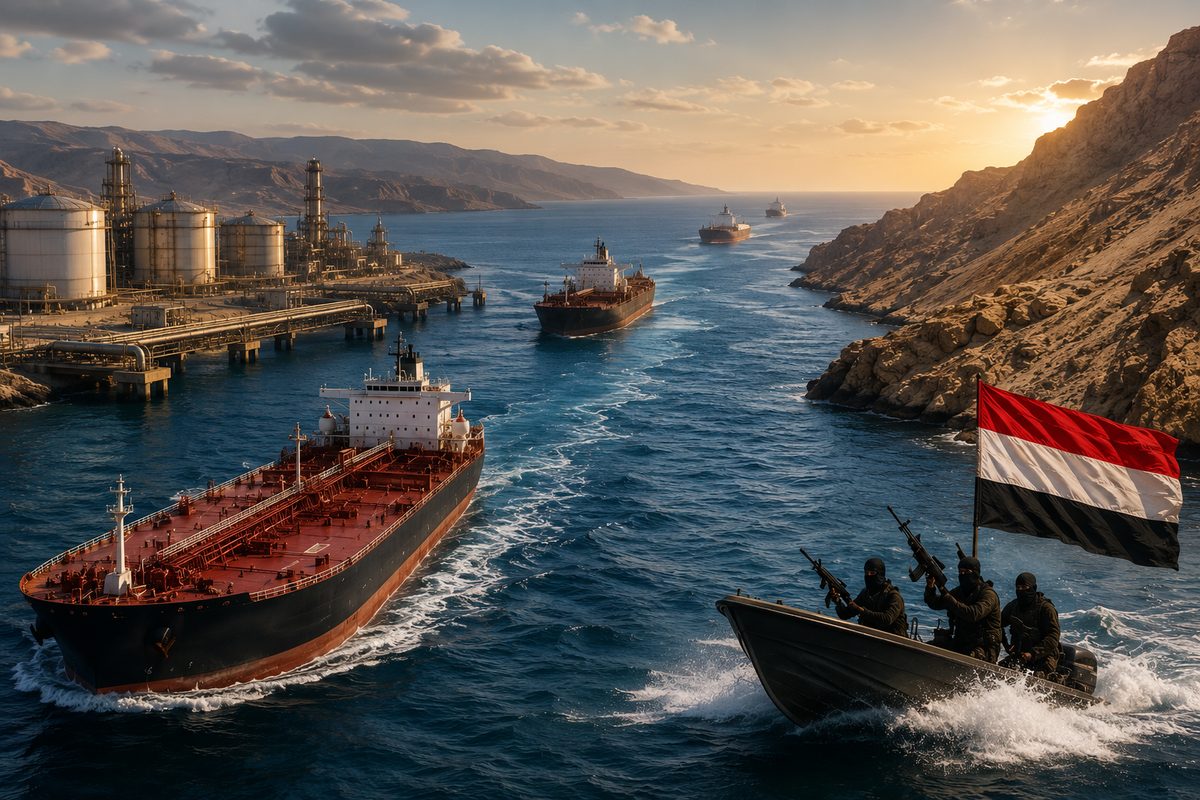
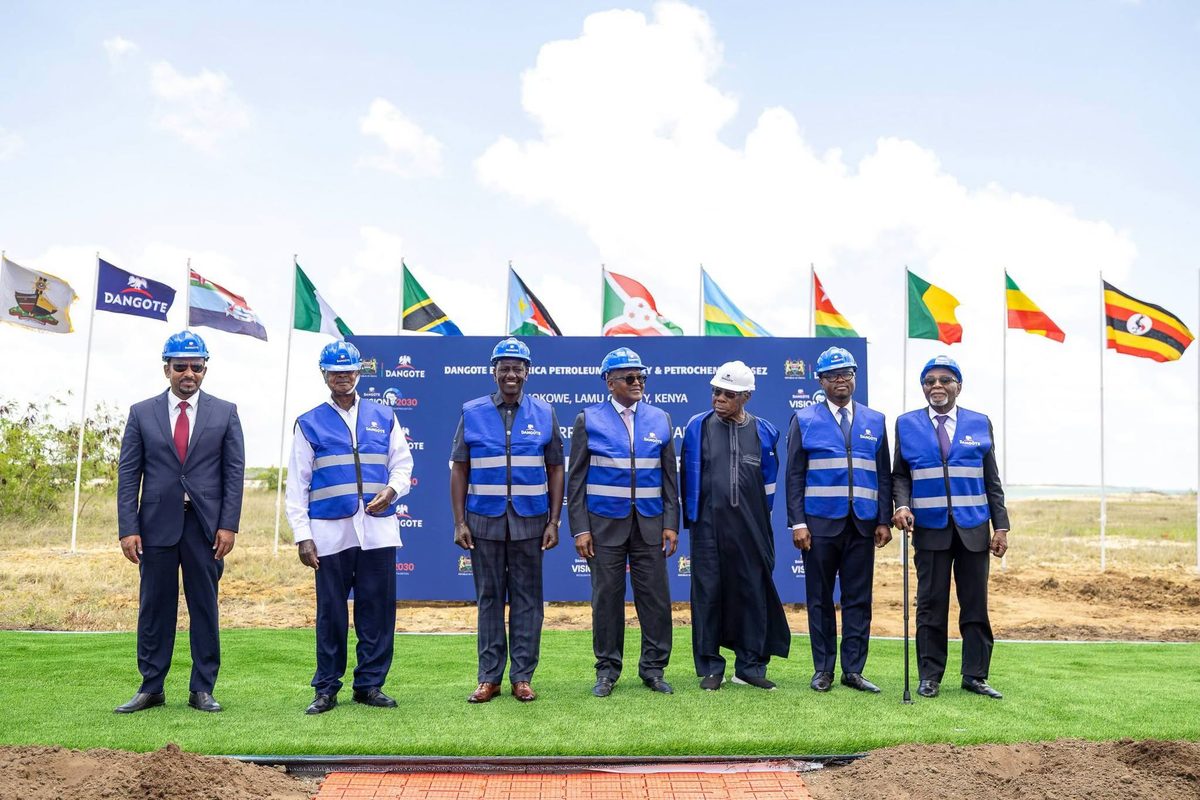
Kenya has broken ground on a $16 billion, about KSh2.2 trillion, oil refinery in Lamu, setting the stage for one of the largest energy projects ever undertaken in East Africa.
Led by Nigerian industrialist Aliko Dangote, the refinery is planned to process 700,000 barrels of crude oil per day, giving it enough capacity to supply Kenya and potentially serve markets across the wider region.
The project comes as East Africa continues to depend heavily on imported refined petroleum. Kenya alone imported about 40 million barrels of refined fuel last year, according to DW.
More Than an Oil Refinery
The Lamu development is planned as a much larger industrial complex.
Alongside the refinery, plans include a 1,000 MW power plant, as well as fertiliser and chemical manufacturing facilities. The project is expected to be developed around Lamu Port and the LAPSSET Corridor, strengthening Lamu’s role as a regional transport and industrial hub.
The government and Dangote have also projected that the development could create around 60,000 jobs, although this remains an estimate rather than a confirmed employment figure.
For Kenya, refining fuel locally could reduce dependence on imported finished petroleum products and potentially ease some pressure on foreign currency reserves.
Where Will the Crude Oil Come From?
One major question remains: where will a refinery capable of processing 700,000 barrels every day get enough crude?
Kenya doesn’t currently produce oil commercially at the volumes required. Uganda’s crude is linked to export infrastructure through Tanzania, while South Sudan relies on infrastructure through Sudan.
Dangote has indicated that the refinery could source some crude from Kenya while importing additional supplies from international markets.
This means Kenya could still import crude oil, but instead of importing finished petrol, diesel and other fuels, more of the processing and value addition would happen locally.
Big Opportunity, but Big Questions Remain
The project also faces concerns over land rights and environmental protection.
Some communities in Lamu have raised concerns about ancestral land and compensation. Environmental groups have also called for greater scrutiny because Lamu contains sensitive mangrove, reef and fishing ecosystems and is home to a UNESCO World Heritage Site.
These issues will have to be addressed as construction moves forward.
If the refinery reaches its planned scale, however, its impact could stretch far beyond Lamu. A 700,000 barrel per day refinery, 1,000 MW power plant and associated industries could strengthen Kenya’s position as an energy and industrial hub serving East Africa.
The bigger goal is simple: instead of relying mainly on imported finished products, East Africa could process more resources closer to home and keep more of the economic value within the region.