Have You Ever Been Stuck on the Way to Naivasha?
If you’ve ever driven from Nairobi to Naivasha during a holiday or long weekend, you probably know the feeling. Cars barely move, trucks stretch as far as you can see, and what should be a one hour trip turns into three or four hours.
For many people, this road has become a test of patience.
That is exactly why the new Rironi to Mai Mahiu road is being built. It is one of Kenya’s biggest road projects in recent years, and it promises to make travel faster, safer, and more reliable for millions of people.
So what exactly is being built, and why should you care? Let’s break it down.
What Is the Rironi to Mai Mahiu Road Project?
The Rironi to Mai Mahiu road is part of a much larger highway upgrade that stretches all the way to Mau Summit. Together, these roads form one of the busiest transport routes in Kenya.
The section between Rironi and Mai Mahiu is about 58 kilometres long. It connects Nairobi to Naivasha, Nakuru, and the rest of western Kenya. It also serves as an important route for trucks transporting goods from the Port of Mombasa to neighbouring countries such as Uganda, Rwanda, South Sudan, Burundi, and the eastern Democratic Republic of Congo.
This means the road is not only important for Kenya. It also supports trade across East and Central Africa.
Why Does This Road Need an Upgrade?
The current road has been under pressure for years.
Every day, thousands of private cars, buses, and heavy trucks use the same route. During busy periods, traffic can come to a complete standstill.
The road also has several dangerous sections, especially around the Rift Valley escarpment. Narrow lanes, sharp bends, and heavy traffic have contributed to many accidents over the years.
Instead of making small repairs, the government decided it was time for a complete upgrade.
What Will the New Road Look Like?
This is much more than simply laying fresh tarmac.
The project includes several major improvements designed to make travel smoother and safer.
Some of the planned upgrades include:
* Wider dual carriageways on busy sections.
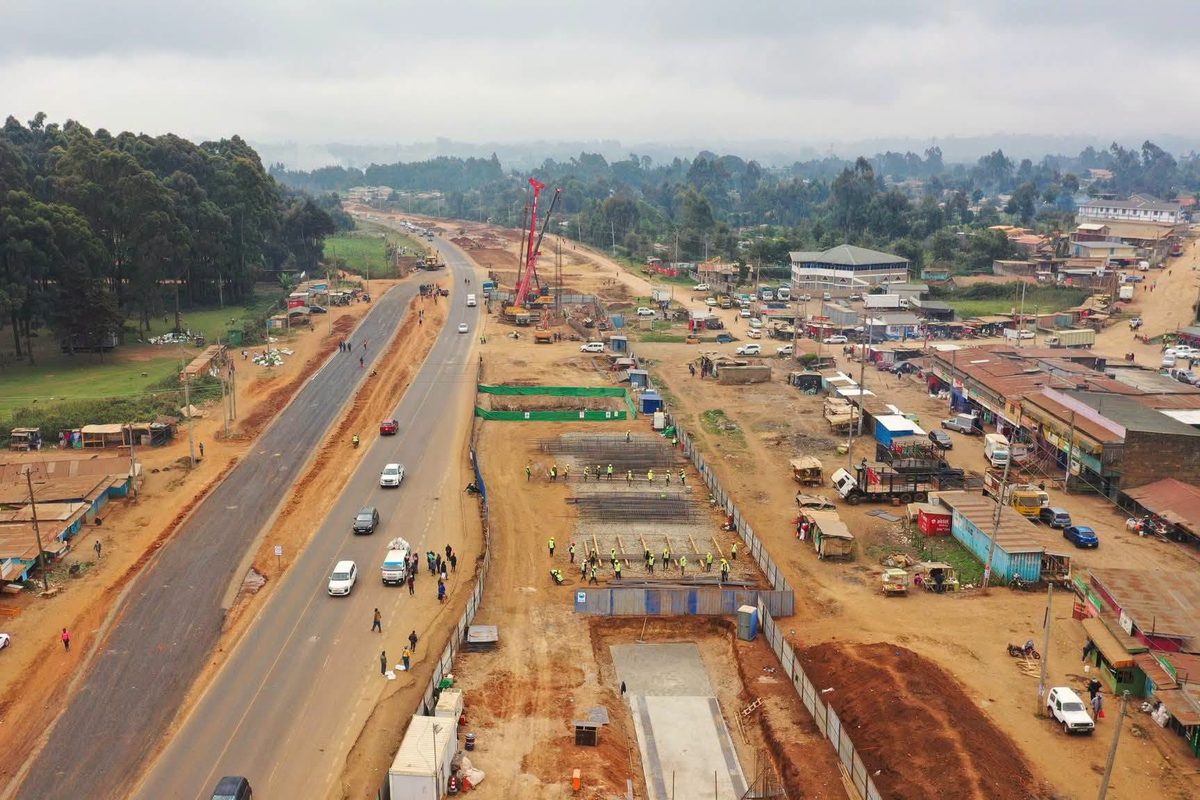
* New bridges and interchanges.
* Better drainage systems to reduce flooding.
* Modern safety barriers.
* Service roads in selected areas.
* Smarter traffic management systems.
* Toll plazas for collecting road user fees.
All these improvements are designed to help traffic move more efficiently while making the road safer for everyone.
How Will It Make Travel Better?
Less Time in Traffic
One of the biggest benefits will be shorter travel times.
Today, driving from Nairobi to Naivasha can take anywhere between three and five hours during busy weekends.
Once the project is complete, traffic is expected to flow much more smoothly because there will be additional lanes and fewer bottlenecks.
That means more time enjoying your destination and less time staring at brake lights.
Safer Roads
Safety is another major reason for the project.
The new design separates traffic moving in opposite directions, reducing the chances of dangerous overtaking. Better road markings, stronger barriers, and improved junctions will also help reduce accidents.
For families, public transport operators, and truck drivers, this could make every journey much safer.
Lower Transport Costs
When trucks spend less time stuck in traffic, businesses save money.
Fuel costs go down, deliveries become more reliable, and goods reach shops faster. Those savings can help businesses operate more efficiently and support economic growth.
Why This Road Matters to the Economy
Roads do much more than connect places. They connect opportunities.
The Rironi to Mai Mahiu corridor is one of the busiest trade routes in the country. Every day, it carries food, fuel, construction materials, and imported goods across Kenya and beyond.
A faster highway can help:
* Reduce transport costs for businesses.
* Improve trade with neighbouring countries.
* Support tourism around Naivasha and the Rift Valley.
* Attract new investments.
* Create jobs during and after construction.
In many ways, a better road benefits people even if they never drive on it.
Who Is Building the Road?
The project is being developed through a Public Private Partnership, often called a PPP.
Under this arrangement, private investors help finance and build the road. In return, they will operate and maintain it for an agreed period before eventually handing it back to the government.
The Rironi to Mai Mahiu section is being developed by a consortium led by China Road and Bridge Corporation together with Kenya’s National Social Security Fund.
This approach allows major infrastructure projects to move forward without relying entirely on government funding.
Will Drivers Have to Pay?
Yes.
Because the project is being financed through a Public Private Partnership, motorists are expected to pay toll fees when using the road.
The announced toll rate is about KSh 8 per kilometre.
While some drivers may not welcome paying to use the road, supporters argue that the money will help maintain the highway and keep it in good condition for many years.
What Challenges Does the Project Face?
Projects of this size are never simple.
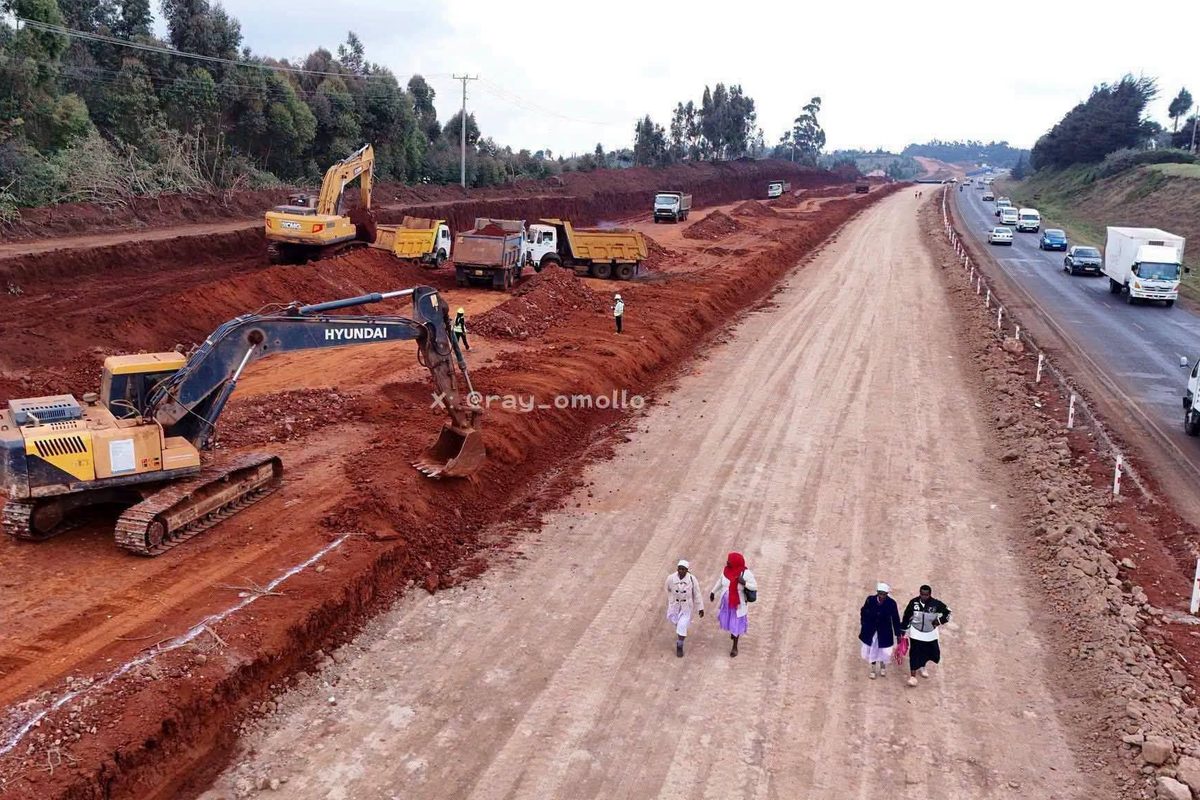
Engineers must keep traffic moving while construction continues. Some land has to be acquired for road expansion, which means compensating affected property owners.
There are also environmental concerns because the route passes through areas with unique landscapes and wildlife. Some places are swampy.
Balancing all these factors takes careful planning and close cooperation between government agencies, contractors, and local communities.
When Will It Be Finished?
Construction is already underway across several sections of the corridor.
If everything stays on schedule, the Rironi to Mai Mahiu section is expected to be completed around June 2027.
As work continues, drivers should expect occasional traffic disruptions, but these temporary inconveniences are part of building a road that is expected to serve Kenya for decades.
Why This Project Is Worth Watching
Roads often seem ordinary until they stop working.
The Rironi to Mai Mahiu highway carries people to work, transports food to markets, supports tourism, and connects Kenya with the rest of East Africa. Improving it is about much more than reducing traffic jams.
It is an investment in safer journeys, stronger businesses, and a growing economy.
The next time you drive towards Naivasha, you may still encounter construction and delays. But if the project delivers on its promises, those delays could soon become a thing of the past, making every trip faster, safer, and far more enjoyable.