
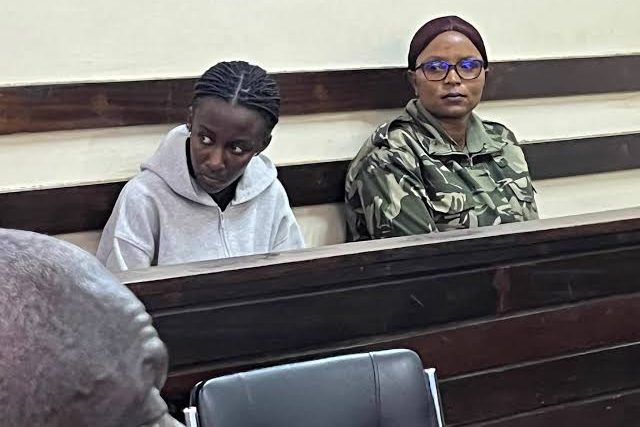
Thandie Malaika Wanjiku, daughter of actress and former TV host Regina Re, has pleaded not guilty to the murder of her grandmother.On November 18, 2026, the 18-year-old appeared before the High Court in Kibera charged with the murder of 86-year-old Dorita Lasinder Macharia. The prosecution alleges the killing occurred on the night of October 30, 2026, at the family home in Loresho Ridge Estate, Nairobi. Thandie denied the charge.
The prosecution had requested a mental assessment before she took the plea. Her defence did not oppose proceeding with the plea-taking itself. Justice Diana Kavedza noted that the court needed to confirm whether the accused understood the seriousness of the offence. After the defence indicated readiness to proceed, the charge was read and the not-guilty plea entered. The judge then directed that Thandie be taken to Kiambu Hospital for a psychiatric assessment, to be completed within 10 days, to determine fitness to plead and stand trial. Personal items needed in custody were to be handed to the investigating officer. The judge also asked officers to allow the father continued visits for encouragement pending the report.
Defence counsel later renewed a request for Thandie to attend her grandmother’s burial, scheduled for the same day (November 18) in Murang’a, on compassionate grounds and for closure. The lawyer proposed a police escort for security and cited a precedent in which an accused person was permitted to attend a relative’s funeral under tight arrangements. The court addressed the request in the context of the pending assessment and custody status.
This case has drawn significant attention because of the family connections and the allegations surrounding the death of the elderly woman at her home. Separate related proceedings involve other family members on accessory charges. As with any criminal matter, the accused is presumed innocent until proven guilty. The mental assessment report and further court directions will shape the next steps; the matter is expected to return after the evaluation is filed.The proceedings highlight the formal safeguards applied even in high-profile cases involving young defendants, ensuring capacity to understand the charge, balancing custody with welfare considerations such as family contact, and handling compassionate applications carefully. Further developments will depend on the psychiatric findings and the prosecution’s case.